

In the Beginning
I was working in non-profit management and asked for a raise. They said no. I gave my notice. I had a month to figure out how I was going to take my side hustle to a full time business. The next few weeks I spent convincing myself I was not crazy so I got a business coach and promised my husband if I could not get it going in a few months I would find a new job. Outwardly, I smiled and laughed and spoke to this overwhelming sense of relief. Man, I had to get up and do the damn thang!
The Middle
I was scrambling. Imposter syndrome was an understatement. I was fortunate to have found some clients for some personal training that was bringing in some income (not enough!) and I had stayed on with the non-profit teaching some fitness classes. I had some other random writing gigs that carried me but the looming threat of having to work outside of my passion was the match I needed to light a fire under this arse. Two months out from a full-time check, I decided it was time to get out there in a big way. FAST.
The Ending
It is not over by any means. I am looking to change the lives of women like me–or like I was once. Lying awake at night worried about if I could eat the last piece of lasagna without waking folks up. Or scared that if I did not get my eating under control I would develop all the diseases and die too early to see my daughter grow up.
My why is simple, as you may have guessed. I am a recovered binge eater. I had the help and support of a phenomenal coach and I honor her memory every time I give a tip or help another women live free from food rules and move throughout this glorious life with more joy. When women are balanced and well, we lift other up. There is a power in helping other women!
Ladies, if you need some skilled, empathetic, non-judgmental support, reach out to me right here.
I believe that you have the inner strength to be your own hero!
Meal Prep Saves Lives
Or so it does, IMHO. I got started for the same reason a lot of folks do–to manage (or perhaps lose weight). But that was years ago, and I escaped the hold of diet culture, meal planning and prepping stayed with me. One reason is I enjoy it. My husband enjoys cooking, and the girls both love cooking programs and often have ideas about what to try (the big one) and what not to try (the little one)!
As you get savvier with meal prepping, you’ll often learn tips and tricks that help you to get things done quicker. As a newbie meal prepper, it can feel like you spend forever in the kitchen – usually because you’re not aware of the hacks that can cut your prep time! This was certainly the case for me! Now with tools like social media and groups (mine is here), a rookie can benefit from others and deeply cut the learning curve and get right to a sustainable–and hopefully enjoyable–routine!
These tried and tested meal prep hacks should help you to cut down on the time you spend in the kitchen and prep super healthy meals in less time.
The Hacks!
Two Planning Non-Negotiables
Gather the Recipes! I am too embarrassed to mention how many times I started prepping without a roadmap or recipes! When you start out, this is necessary. When you’re meal prepping for the week ahead, you don’t want to be hunting high and low for your go-to recipes. Save yourself tons of time by collecting together your tried-and-tested or still-to-come recipes in a swipe file that you can go to whenever you need.
Use the wisdom of theme nights (they need to make sense for your family and schedule!) Theme nights abound–Meatless Mondays, Taco Tuesdays, etc. If your family likes certain types of food create or search for a theme for each night of the week so that you can easily ‘rinse and repeat’ each week. It will make pulling the plan together so much easier and faster so that you can prep things that will use some overlapping ingredients or leftovers! Honorable Mention: having adequate food storage containers and space in the refrigerator!
Pre prepared foods can be a game changer
While it’s great to do as much as you can from scratch when you’re meal prepping, some pre prepared foods can be a huge help for cutting time spent in the kitchen. Spiralized zucchini or squash noodles can be super healthy and convenient, for example. And frozen fruits and veggies are usually just as nutritious as their fresh counterparts and have the added bonus of being super handy.
Don’t be afraid to use some pre prepared options to save you time, especially where fruits and veggies are concerned. Just be a little warier of the more processed options. Pre prepared sauces can be pretty processed, for example.
Prep veggies early on
When you come back from the grocery store, start prepping your veggies for meals to come. Stash them in the refrigerator or freezer until you need them and they’ll be good to go for cooking stir fries, pasta dishes and anything else that uses veggies. This can save tons of time later in the week, not to mention less stress!
Bulk buy meat when it’s on offer
Buying meat when it’s on offer and stashing it in the freezer for when you need it is super useful for your budget, as well as helping you to get more organized. It also means less time in the grocery store.
Prepping Hacks
Batch cook as much as possible
Planning to have soups or curries as part of your meal plans one week? Cook up a big batch in one go, either in a slow cooker or in a big pot on the stove. From there, it’s super easy to portion it up and freeze it for later in the week.
Grains are another one that can easily be cooked ahead of time too. Prepping and cooking them in one batch means you can repurpose them for lunches and dinners throughout the week, with minimal effort. They just need to be heated up later in the week for hot meals, or they can be left cold for salads.
One pan dinners are your friend
One easy way to spend less time in the kitchen when you’re meal prepping? Cut down on the amount of pans you use! One pan dinners are perfect for this. When you’re pushed for time or just want to have less mess, look for one pan dinner inspiration!
Repurpose your leftovers
If you usually find that you have leftovers after you’ve prepped meals, making good use of them can free up more time. With some creativity and forward planning, you can repurpose leftovers for another day and spend less time on meal prepping. Sounds awesome, right? It’s all about mindset and always asking yourself how you can use leftovers to create another lunch, dinner or snack.
You can also create “planned” leftovers by intentionally cooking more than you need so that you know you’ll have food left to use on future days. You definitely don’t have to use the extra food you cook in the same way (not unless you genuinely intend to have the same meal again for lunch the next day) and there’s plenty of scope for getting creative. Just cook a bit more rice or prep a bit more veg than you actually need and have some ideas in mind for what you’ll do with it.
An easy way to make any leftovers look instantly more appealing? Add a fried or poached egg on top.
Meal Plan and Prep Tips
This week in the FB group, we are looking at Meal Prep and will be discussing the ways to to use it for convenience and to support health and wellness goals (bonus: Meal planning saves MONEY, HONEY!) If you would like to take bite-sized steps, join us here!
Have you been struggling with a negative or lack mindset? Do you have a hard time balancing your moods, or you don’t understand why you can’t seem to focus? These are all common signs of needing a shift in your mindset and luckily, I’m here to help you with that.
The fall season is an excellent time to start shifting your mindset and developing habits not just for your body, but your mind and spirit as well.
The Changing of the Seasons
As the leaves change in the fall, the seasons of your life also change. This can be a wonderfully transformative time in your life, which is why the fall season is great for changing your mindset. You might notice that near the beginning of the fall season, you just feel like you want to do something different. Pick up a new hobby, start a business, develop a new workout program, or find a creative activity. .This is completely normal and a great way to improve your mindset.

Fall is a Time for Resting and Recharging
While earlier seasons in the year call for more productivity and getting more done, fall is more about adjusting your routines and allowing time for rest and recharging. This can be related to your mindset, about how you feel about work, finances, and your daily life. Recharging is not about completely changing your lifestyle, but getting a little more rest, enjoying time with friends, and not feeling like every second of your day has to be productive.
Comfort Leads to a More Positive Mindset
If you have had a negative mindset recently, allowing more comfort and rest into your life can make it more positive. You begin to relax when you add comfort into your life in the fall season, which then helps you see what is most important to you. You find clarity in those calm, quiet moments where you feel at ease and free of stress or worries. This is when you feel truly yourself and discover what shifts you want to make in your life.
Mindful Eating Mindset
Eating is pleasurable. But think about the last time you really tasted, smelled, or savored your food. It looks and smells good and twenty minutes later your plate is either empty because you inhaled it, half chewed, or it’s cold because you are distracted by blings, rings, and beeps from devices. Funny, eating is one of the few things over which we have utter control and we pass that control over to inanimate things. And folks are worried about AI robots taking over!
You Set Priorities in Your Life
Setting priorities in your life is so important when it comes to making positive shifts in your mindset. As you begin to develop a growth mindset, you feel more positive, and then can better set priorities. You discover what is important to you, and what you want to leave behind. You are really the captain of your destiny and wellness!
Your mindset is how you think about things, how you process different emotions, and what your thought process is like. Everyone has their own mindset, which is often influenced by a myriad of different things. With mindful eating, you want to develop a certain type of awareness in your mindset, but also a lot of positivity and acceptance.
Slow Down and Enjoy the Moment
To shift your mindset about eating and food in general, just slow down and enjoy it! This is truly one of the best things you can do. When you think about food as something to not enjoy, suffer through, or be completely mindless about, that will always be how you think about it. But when you can slow down, enjoy and savor every bite, and be more mindful, your mindset will change dramatically.
Take Away All Judgment or Guilt
You should not experience guilt, shame, or judgment about what you choose to eat or how much you eat during each meal. This is probably a result of past diets you have been on, comments you have had about your body or eating choices, or even what you have heard people say to others about what they can and can’t eat. But the truth is, there is room for any food in your life, as long as you don’t have an allergy or aversion to it.
By understanding that all food is allowed and removing that guilt, you start working on having a more positive and accepting mindset with food.
Flip Every Negative Thought Into an Accepting One
It may not be possible to always turn a negative thought into a positive one, but with mindfulness, you can get to a place of acceptance. It is unrealistic to think your mindset and thought process is going to be 100% positive and uplifting all the time. But what you can do is start flipping those overly negative and judgmental thoughts and instead just accept what is. This is a big part of mindfulness, as you just accept the current moment and where you are right now.
Take a Deep Breath Before Practicing Mindfulness
Breathing techniques are often used with mindfulness because they help to center and ground you. All this takes is spending a few minutes before you start eating to take deep breaths, and focus on your breathing. It is a good way to get into the practice of mindfulness, and can help you clear your mind and go into your meal with the right mindset.
Starting small and simple can help you really make the changes you desire when it comes to food and how you fuel your body! Jumpstart your mindful eating journey and download a free guide that can help you dig deep into your beliefs and values around food and get practical, proven tips to shift your eating in a week!

Hands up if you’ve tried pretty much everything to kiss goodbye to cravings and had no luck whatsoever?
With mindful eating, you don’t need to spend heaps of time and energy on crushing your cravings completely.
The Mouth Wants What the Mind Misses
Telling yourself that you absolutely can’t have a particular food can work against you in the long term.
Think of it this way: if I tell you not to think about a purple elephant, guess what immediately pops up in your mind? No matter how hard you try, it’s super hard to shift the mental image of the purple elephant!
Your cravings can be a little bit like this too. Denying yourself completely often means that they don’t magically go away, even if you take tons of action to distract yourself. It’s pretty common for them to actually get stronger … a lot like the thought of the pink elephant.
It can also encourage a “now or never” way of thinking if you do give in to the craving. Often, this means that you’ll eat far more than you intended. After all, you’re not supposed to be eating it again seeing as it’s off limits, right? In reality, it will most likely happen again and you’ll carry on feeling super bad about it.
That Junk Wants to be in Your Trunk!
There’s another problem with craving ultra-processed food: according to research, it affects hunger hormones and makes it harder for your body to recognize when you’re genuinely full. Unsurprisingly, this means eating a lot more calories than you would otherwise … usually involving other unhealthy foods. Another finding from the study involved the speed at which food was being eaten. The group eating the ultra-processed food tended to eat more quickly, leading researchers to question whether this was a big factor in the brain being able to recognize signals that they were full.
Another finding from the study involved the speed at which food was being eaten. The group eating the ultra-processed food tended to eat more quickly, leading researchers to question whether this was a big factor in the brain being able to recognize signals that they were full.
How mindful eating turns the tables on cravings
Mindful eating can really come into its own in several different areas. In a nutshell, it puts you back in control of your food choices, which can often feel impossible when you’re constantly trying to beat your cravings into submission.
A few reasons why mindful eating can work so well:
You’re not giving into your cravings and letting them take control but you are allowing yourself a little bit of what you fancy and taking the opportunity to relish it. Your mind knows that there will be other chances to satisfy the craving so the “now or never” mentality isn’t a big issue. The end result? It’s a whole heap easier to bring your cravings in check.
The trick is to be super mindful with how you eat. When you take that first bite of something you’ve been craving, resist the urge to dive straight into the next one. Put your fork, knife or spoon down in between bites or keep putting your food down if you’re eating with your hands. The more you can chew each bite before swallowing, the better.
Take the time to really notice the taste and texture as you chew. This bit might surprise you, especially if you’re used to eating quickly on autopilot. If you’re eating junk foods, being more mindful with your eating might flag up how salty, sugary or just plain processed the taste truly is. And chances are, it’s going to be a whole lot less appealing once you get clued into this.
Even if this doesn’t happen, taking more time to savor your food helps you to enjoy it more and sometimes, you’ll realize that your cravings weren’t quite as strong as you thought and feel satisfied after just a few bites.
It can also lift the lid on why you’re getting cravings in the first place. Sometimes, you’ll know exactly what’s behind it but it won’t always be this obvious. Being more mindful with your eating can get to the bottom of what is triggering your cravings and the emotions that may be a factor.
It’s not always easy to get to grips with mindful eating, especially if you’re used to eating quick and not tuning into your body’s hunger signals. Over time, it gets a lot easier to overcome unhealthy relationships with food, including cravings, overeating and emotional eating.
According to the results of a 2014 study, a mindful approach to eating can help to build a healthier relationship with body image and curb “disordered eating” such as binge eating. And from a cravings perspective, many of the women who took part in the study also reported that they spent less time yearning for high fat and sugary treats.
A Free Resource
If you’re struggling with cravings, mindful eating could be the lifestyle change that helps you to get back in control of your eating habits and spend more time enjoying what you eat.
You can grab my totally free guide to help discover your unique eating motivations and habits and how to start eating more mindfully by clicking on the image below!
Happy and Peaceful Eating!

As a Holistic Wellness and Food Relationship Coach, I am often asked, “I need to eat better. If you were me, where would you start?” My advice will always be the same. Practice Mindful Eating. I was in your shoes, grasshopper, and this was where I started.
Like a Bad Penny
Always cropping up! That was me and my love-hate relationship with food and my body. I would be on a roll (read: Restrictive bent) and then wham! I was eating everything (which is normal and ideal) in large portions (read: Binge 😔). And, as if you didn’t already suspect, this was cycle was in heavy rotation–for years.
Then ya’ girl got a coach and learned not just mindful eating, but mindfulness in general. Total game changer. Working with a coach and her arsenal of Jedi Mind tricks, I was able to break up with binge eating and align my eating patterns with my values. It took time. I am not perfect. But I am no longer going to live in a dessert desert and then go off the deep end, eating my weight in crème brûlée.
Just slowing down and paying attention when I ate helped me to have gratitude for food. Then I shifted to paying attention to what I was eating. There is also something to be said that fries from Mickey D’s are only delicious when hot. Let those bad boys get cold and YUCK! However, a grilled salmon fillet get cold, I just slap on top of a salad and it still tastes delicious. Funny how that works!
Get Your Mind Right!
It can be easier to lose weight when you’re eating mindfully but there are plenty of other reasons to adopt a more mindful approach to your eating habits, even if you’re not actively looking to slim down. From getting to grips with emotional eating to improving your digestion, mindful eating can have some seriously impressive benefits.
Benefit #1: Less potential for overeating
Eating at a slower pace gives a lot more opportunity for signals to pass between your stomach and brain – namely the ones that tell you when you’re full. It’s all too easy to fall into the trap of eating “mindlessly” and automatically, which often means that these signals don’t have the same effect and before you know it, you’ve eaten a whole heap of calories and still don’t feel full.
With mindful eating, it’s a whole different story. Taking your time over your meals and snacks makes it easier for your body to recognize when you’re full so you can take your cues from that. Tapping into your body’s natural hunger cues makes overeating a lot less likely. Another great reason to avoid eating in front of the television!
Benefit #2: Getting to the bottom of emotional eating triggers
What makes you crave junk food? Often, it’s nothing to do with hunger and everything to do with emotions. When you get the urge to snack, mindful eating gives the perfect platform to take a step back and ask yourself how you’re feeling and what emotions may be playing a part in your cravings. Being super mindful with your eating gives you a lot more opportunity to delve deeper into emotional eating triggers so you can recognize patterns and take action.
Benefit #3: Trusting yourself to make healthy food choices
When it comes to cravings, you’ll often hear advice to remove unhealthy foods from your home to avoid falling victim to temptation. This can help in the early days when you’re first getting the hang of mindful eating and taking steps to change your eating habits but it’s not necessarily something you’ll need to stick with in the long term. Not if you’re committing to mindful eating, anyway!
Once you can get to grips with mindful eating, you can have a whole heap more trust in your ability to make healthy food choices, even when there are some not-so-healthy options in the vicinity. It’s about building a better relationship with food in the long term.
Mindful eating can give you more control over cravings and limit how much you consume when you indulge your cravings. Over time, it becomes a lot easier to satisfy yourself with just a few bites, rather than overeating in super quick time.
And sometimes, you’ll just lose the appetite for junk food altogether! Slowing down your eating can make you much more appreciative of the tastes and textures of your food but when it comes to processed food, you may not enjoy the reality as much as you did when you were eating less mindfully.
Benefit #4 – Encouraging you to live in the moment
Do you find it hard to be in the present moment? Mindful eating can be a great way to practice this to a much bigger extent. Tuning into your eating habits regularly gets you into the habit of being in the present and over time, it becomes a lot easier to master. If you’re looking for a way to include more mindfulness in your average day, mindful eating is a great choice.
A few tips for making sure that you stay truly mindful when you’re eating?
- Check in with your body while you’re eating and ask yourself how you feel. One of the best things to ask? How full you’re feeling. When you put this question to yourself, the break from eating can help you to recognize that you might be feeling fuller than you realized.
- Sit down (preferably at a table) when you eat, even if you’re only having a quick snack. And definitely keep the devices out of reach. Putting your sole focus on your food makes it easier to be mindful. If you tend to eat on the go or while you’re watching television or using devices, this is a big one to switch up.
- Notice the tastes, textures and smells linked to what you’re eating. It can help to keep your eyes closed when you take that first bite and let your senses take over.
- Take deep, calming breaths between bites. When you’re used to eating fast, you’ll often barely breathe in between bites but taking a bit of time to rectify this can slow things down and help you to be more mindful.
Benefit #5 – Less bloating and indigestion
Struggling with bloating, indigestion and other digestive problems? This is yet another area where mindful eating can have positive effects. Eating at a much slower pace means there is less potential for bloating and other digestive discomfort. The main reason? You swallow less air and chewing each bite thoroughly before you swallow breaks your food down into really small pieces for better digestion. The end result? Far more potential for a happy gut!
Practicing mindful eating will help shift you out of mindless munching (Danger, Will Rogers) and your food relationship will improve! I would love to hear about your shifts if you give it a try! Join my Eat Free Live Fierce FB group where you can be supported and find valuable info (like my free mindful eating challenge)!

I live in Texas. So, yeah. Summers with Satan are a’coming. It is still spring because the Earth has not fully tilted toward the Sun yet but here were are a balmy 90 degrees (the humidity keeping the temps from reaching triple digits) with the solar system’s promise of more heat to come!
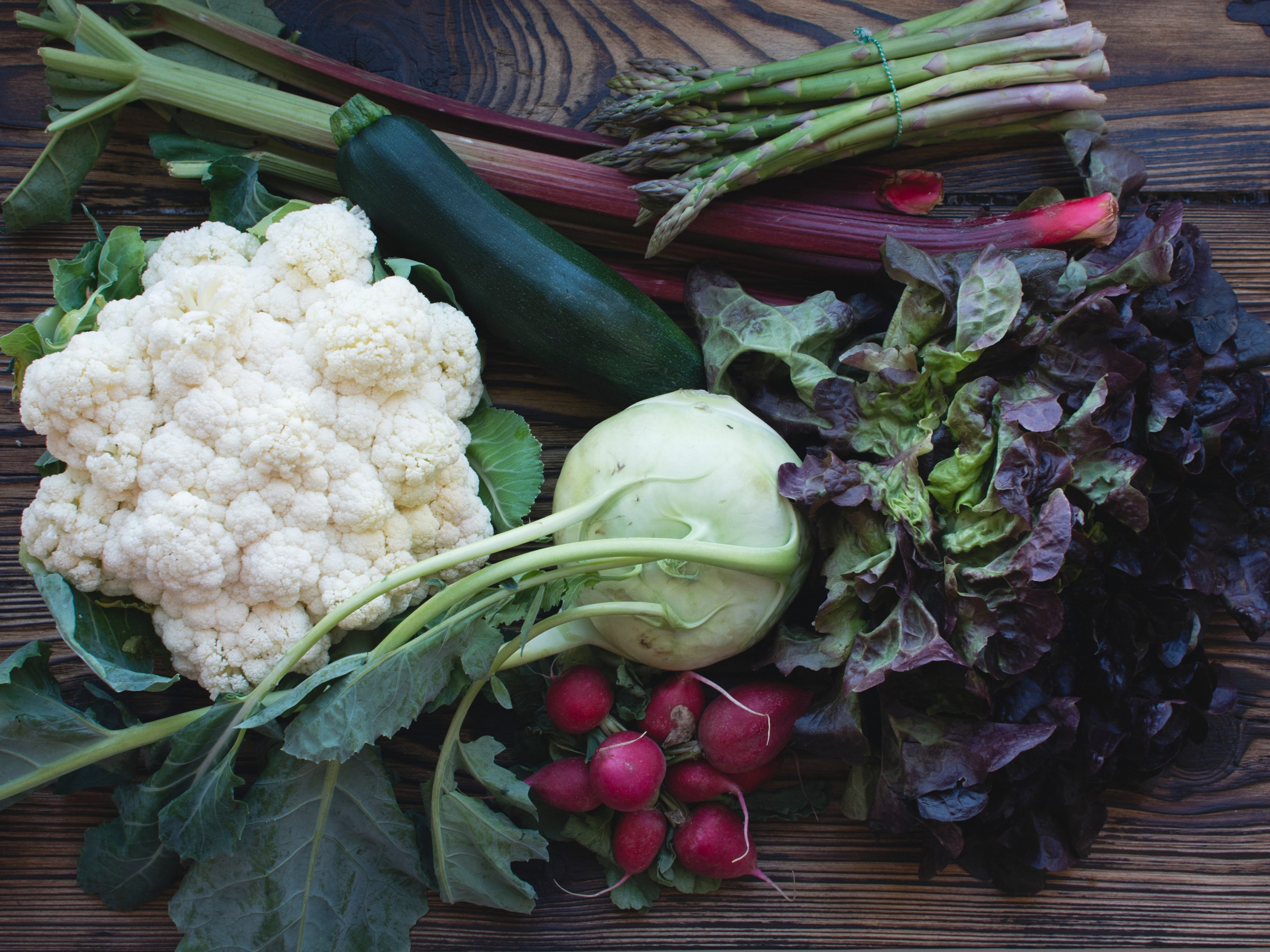
What I have come to appreciate, though, is the long growing season. Enter lovely, lush salad greens, succulent squash, savory herbs, and sweet little root veggies–all with relatively low effort! Today is Eat Your Veggies Day and tomorrow is International Picnic Day–just in time to feel your pre-summer vibes! You can even participate in Sauntering Day with a little easy stroll (Read joyful movement!) Do all at once for TRIPLE the fun!
Food Freedom and Gentle Nutrition
As a HAES-informed personal trainer and wellness coach, I am mindful about the messages I send when it comes to food, eating habits, and nutrition. However, folks seem to think that this framework throws all actual knowledge about nutrition out of the window, but that is not the case at all!
I encourage people to listen to their bodies and strive to eat in a balance for their unique needs. As we all know, or can imagine, that what you have a taste for, have access to, or the amount you desire are all dynamic variables. Note: it is GENTLE. Is it not about obsessing or creating new crazy food rules for yourself. It is really about doing what feels and tastes good and fuels your marvelous body with some nutrients so that your health is positively impacted.
Veggies, a Picnic, and Walk
If you are interested in improving your health by nourishing your body, these fun little days offer a trifecta of opportunity! They all have the potential to provide health benefits that can support you in your unique journey!
Veggies are:
- Full of nutrients, vitamins and nutrients
- Taste good (fight me!) and can be prepared a variety of ways
- Can be thrown into soups, salads, or smoothies for quick and easy meals and snacks
Picnics are:
- A fun place to eat veggies!
- an accesible way to get you outside and into fresh air
- a pleasant way to reconnect you with nature which is natural pick-me-up!
Sauntering, or walking is:
- an natural way to help digest your picnic (and those veggies!)
- an joyful way to move your body, and if it is not, don’t!
- an easy foray into movement and can even be moving meditation as the pace is determined by you (listen to your body!)
I would love it if you would share some ideas or thoughts you have about improving your health in small, sustainable, ways that honor your body! Like, share, and follow this blog please! I appreciate you!

This week two interesting observances fall: Laughter and Stress awareness. I could not have hoped for a better way to talk about one of my go-to cure-all techniques (laughter, the other being dance of course,) for relieving stress. I am utterly baffled that I was unaware of these days before last year. I just wasn’t blogging as regularly then! Thanks, Corona!
How Laughter Can Improve Your Overall Health
Laughter can be infectious. When you hear the sound of laughter, you can’t help but laugh yourself. When laughter is shared among others, it causes a binding between people and increases both intimacy and happiness.
It is well known that laughter triggers healthy bodily changes and healthy changes in the mind. Laughter can increase your energy level, lessen pain, strengthen the immune system, and protect you from stress. Laughter is the best medicine because it is free, fun, and easy.
Laughter is Strong Medicine
Laughter can be a strong antidote to conflict, pain, and stress. There is nothing else that works more dependably or quicker to bring your body and mind into balance than laughter. The use of humor can lighten your burdens, connect you to others, inspire your hope, and keep you focused, alert, and grounded.
With this ability to renew your health and heal you, laughter can be a great resource for whatever problems you may have. It can also strengthen your relationships, and can support your emotional and physical health and wellbeing.
How Is Laughter Good For Your Health?
Laughter can do many things for your health. These include the following:
• Laughter can increase your immune system. It can decrease the level of stress hormones within the body and increase the number of immune cells and antibodies you have, which will help you become more resistant to disease.
• Laughter is relaxing. A wonderful laugh can relieve you of stress and physical tension so that your muscles can be relaxed for up to 45 minutes following laughing.
• Laughter releases endorphins. Endorphins are the body’s feel-good hormones. When your endogenous endorphins are released, you feel a sense of well-being and a reduction in the sensation of pain.
• Laughter can help the heart. Laughter can increase the ability of the blood vessels to nourish all parts of the body. It can increase your blood flow, which in turn can help prevent heart attacks and other types of heart diseases.
The Overall Benefits Of Laughter
Laughter is known to have many health benefits, including physical, emotional, and social benefits. Some of these include the following:
• Decreases your stress levels
• Increases your immunity
• Relaxes your muscles
• Protects your heart
• Lessens pain
• Lessens fear and anxiety
• Relieves stress
• Adds joy to your life
• Enhances your mood
• Improves your resilience
• Attracts other people to us
• Promotes the bonding among group members
• Improves teamwork
• Strengthens relationships
Laughter Can Help Your Emotional Health
Laughter simply makes a person feel good. This good feeling persists even when you are done laughing. Laughter helps you maintain an optimistic, positive outlook so you can better get through situations of loss, disappointments, and other difficult situations.
Laughter is more than just a protection against pain and sadness. It gives you the strength and courage to find other sources of hope and meaning. Even when you find yourself in the most difficult of times, laughter or even a smile can take you far when it comes to feeling better. Laugher really is a bit contagious. When you hear someone else laugh, it primes your brain and sets you up to join that person in laughing, too.
Laughter And Mental Health
Laughter is associated with better mental health. Some things laughter can do to improve your mental health include the following:
• Laughter allows you to relax. A good laugh can lessen stress and increase your energy levels so that you can remain focused and get more things accomplished.
• Laughter can lessen distress. It is hard to feel sad, anxious, or angry when you are instead laughing.
• Laughter shifts your perspective. It allows you to see things in a less threatening and more realistic light. Being humorous helps create a psychological distance between you and stressful events so that you don’t feel so overwhelmed.
Laughter Has Social Benefits
When you use humor and engage in playful communication with others, your relationships become stronger and you trigger positive emotions and an emotional connection with those you are laughing with. A positive bond develops—one that can act as a powerful buffer against disappointment, disagreements, and stress. When you laugh with others, this is a more powerful thing than when you laugh alone.
How To Create More Opportunities To Laugh
There are things you can do to increase your chances of laughing. Here are some you might try:
• Attend a comedy club
• Watch something funny on television
• Watch videos of funny animals there are tons on YouTube, or just add the search term “funny” into the YouTube search bar
• Read the comics in the newspaper
• Be with people who are funny
• Share a funny story or joke with another
• Read a funny book
• Sponsor a game night with your friends
• Play with your pet
• Play with children
• Do something you think is silly
• Engage in activities you consider fun
Laugher can do a lot to help you feel better on a physical, emotional, and cognitive level. Don’t be afraid to share a good laugh with others for all around better health.
April 7th is observed as World Health Day. The following statement was taken from the World Health Organization website:
On World Health Day, 7 April 2021, we will be inviting you to join a new campaign to build a fairer, healthier world. We’ll be posting more details here shortly, but here’s why we’re doing this:
Our world is an unequal one.
World Health Organization
As COVID-19 has highlighted, some people are able to live healthier lives and have better access to health services than others – entirely due to the conditions in which they are born, grow, live, work and age.
Racism as an Epidemic
As a coach and helping professional, I bear witness to the wide and deep reach that this pandemic, not unlike any other pandemic, has on people. It has been a source of financial ruin, a spotlight on disparity, and the taker of lives. Today, I ask that you consider what I feel is the greatest health risk factor for marginalized groups in America today–racism.
I am not going to turn my little blog post into a white paper, though I could. Suffice it to say that several studies(hundreds to be sure), and increasing in complexity and number, have all teased out the many socioeconomic factors that create barriers and less than desirable health outcomes for BIPOC (Black, Indigenous, and People of Color). The verdict of the recent review by PubMed? Racism is at the heart of it all.
You may be wondering how exactly. Consider this. Racism is the foundation of every structure in this country, particularly public work structures like education, the justice system, wealth and resource systems, and the healthcare system. If BIPOC have been and continue to be marginalized, they are not accessing resources at the same rate or depth as whites. It all makes sense. I am not speaking about one offs–I am speaking in general terms. I am aware that there are folks that have transcended some of these systems successfully. But that is where racism steps in.
We have seen that despite education, influence, or affluence racism still persists. BIPOC are still treated as valets at fancy venues, harassed by neighbors in nice neighborhoods, followed by campus police where they are tenured professors, and experience hate crimes at the hands of the police and citizens.
It is the stress that racism causes that is being linked to the dis-eases that plague BIPOC. Hypertension, caused by elevated blood pressure, is one of them, along with mental health issues and dis-eases that result in weakened immune systems borne of the chronic stress such as heart and kidney disorders. Additionally, Blacks in particular, but other ethnicities, also suffer from higher occurrences of Type 2 diabetes and higher rates of infant mortality.
For further example, black children are about twice as likely as white children to develop asthma, health statistics suggest. And racial and ethnic gaps in infant mortality have persisted for as long as researchers have been collecting data. People with diabetes who are members of racial and ethnic minorities are more likely to have complications like kidney failure, or to require amputations. These disparities persist when all other variables have been accounted for. The fact that racism–the missing factor–is now being talked about as a preliminary cause can help illuminate the voices of people who have been rendered invisible.

We support black lives matter design element
The Body on Stress and COVID-19
Stress. Stress is known to actually alter the composition and function of a body. Particularly when a body is being bombarded long-term with the chemicals produced as a result of that stress. There is nothing as long-term as your race.
As stress hormones like cortisol circulate in the body, they turn fat into sugar that the body can use to fight or flee. Unused sugars are often then re-stored as fat in the midsection; this makes them accessible for future stress responses but can damage the kidneys, heart, and other organs. Because cortisol is made from cholesterol, many people who are chronically stressed crave fatty foods as a way to replenish their levels, Juster says, which can then lead to other health problems. And the elevated blood pressure and heart rate that prepare a person for conflict can also lead to hypertension and an enlarged heart.
NOTE: Both of these heart conditions—as well as the diabetes that’s linked to chronic stress—can put people at a higher risk of serious illness from COVID-19. And now we can better understand what the real co-morbidity issue was as the number of deaths for Blacks, which were the highest of any ethnic group, and the disproportionate numbers for Latinx stacked up.
In laymen’s terms, the chronic flooding of the circulatory system–whether it is frequent short bursts or longer periods without proper recovery–with stress hormones creates an overtaxed, overexcited immune system, which is less effective at recognizing a real foe and is prone to attacking the body instead.
In the short-term, stress hormones inhibit damaging inflammatory reactions. But over time the body becomes cortisol resistant, instead promoting the production of proteins from the immune system called “pro-inflammatory cytokines.” People with especially high allostatic load (for example, people from chronically underserved communities who experience severe trauma and racism), can be prone to producing too many of these pro-inflammatory cytokines, which can begin attacking other cells or tissues that aren’t a threat—the “cytokine storms” that have come to characterize some of the most severe COVID-19 cases.
https://www.pbs.org/wgbh/nova/article/racism-stress-covid-allostatic-load/
Stress hormones affect the ability to think clearly, preserve memory, and exacerbate other mental conditions. The damage can cross the placenta barrier and affect fetuses when carried by a mother under this type of stress. This widespread damage from chronic stress also leads to a broad premature aging of cells, which have had to divide more often in order to repair damaged tissue. Each one of our cells is built to divide a limited number of times, explains Arline Geronimus, a professor of public health at the University of Michigan. And each time it divides, the caps at the ends of its chromosomes (called telomeres) shorten a little. Once a cell reaches the end of its telomeres, it can no longer divide. This process happens in every body as we age—but not at the same rate. People with chronic stress “have, in effect, an older biological age than other people at their same chronological age,” she says.
Developmental psychologist Virginia Huynh brings this dynamic back to the pandemic, pointing out that “Black people were already at a higher risk for health problems because of racism” and that structural and workplace inequalities have intensified during this time. “It makes sense they’re disproportionately affected by COVID-19,” she says.
Racism at the Cellular Level
“Just being in this society, as a Black person or a brown person means the recognition that you are potentially at risk for some sort of negative encounter,” Parker Dominguez says, “whether it’s with the police or elsewhere. Your level of threat perception in the environment is higher.” That threat perception leads to hypervigilance, which leads to heightened allostatic load.
It’s that “pervasive, persistent” experience of stress that is damaging to the health of Black Americans and other marginalized communities, and permeates every facet of life. A BIPOC person, and Blacks more so , are always on edge–waiting to see when they will have to run or fight.
The research of Virginia Huynh indicates that young people don’t need to be on the receiving end of racist behavior to be affected physiologically, nor does the behavior need to be overt or extreme for it to do damage. In one study, Huynh and her colleagues collected saliva from 300 teenagers over the course of a day to measure cortisol levels. Teenagers who reported experiencing discrimination had higher levels of cortisol that did not decline normally over the course of the day—suggesting that they were not only experiencing more stress but that they weren’t recovering from it fully. In a second study, a cohort of college students experienced increased levels of cortisol after simply witnessing or overhearing a racist comment, indicating that even vicarious discrimination can create a physiological response.
Huynh emphasizes that these daily experiences of discrimination are often less overt and more insidious, the offhand comments or small interactions sometimes known as microaggressions. “Years of being followed around in a grocery store or liquor market—subtle everyday slight insults—convey to people of color and marginalized communities that they don’t belong, don’t fit in,” she says. When it comes to allostatic load, “it’s often cumulative, a lifetime of experiences that affect multiple regulatory systems.”
In this way, subjectivity and individual perception can deeply affect health, she says. The stress of microaggressions reverberates painfully, regardless of original intent. “There’s often a number of explanations [for a microaggression], but ultimately the impact is that you felt it was offensive, racist, or discriminatory,” she says. “If you’re vigilant against someone being rude to you, and trying to figure out if it’s because of your race or gender, then your body is constantly feeling like it needs to prepare.”
Health in the Face of Racism
BIPOC alone should not carry and absolutely cannot carry the burden of coping with racism. Everyone needs to address structural disadvantage, socioeconomic deprivation, and institutionalized racism to reduce discrimination.
However, there is evidence to suggest that certain factors can help people cope with the negative effects of racism, both physically and mentally.
Fostering a strong sense of racial identity is one evidenced-based way to stave off the effects of racism. Studies have found a link between those with a positive self-image and decreased stress due to racism. Helping children and adolescents develop a strong and positive self-image can go a long way in mitigating the long-term affects of racism, which can transcend generations. To this end, Hunyh points to research showing that kids who feel a stronger sense of ethnic identity—whose parents have talked to them about what it means to be Black or Mexican or taught them Indigenous traditions—have lower allostatic load. Parker Dominguez points to California’s Black Infant Health Program, a program that provides social support and connection to resources during pregnancy to women across 20 regions of California and has made significant strides in closing gaps in pregnancy outcomes.
Engaging in critical dialogues about racist experiences, instead of bottling them up, have been proven to help a person process feelings of stress, anger, and frustration.
Having a strong support system to talk to for support, advice, and comfort can help people cope with racial discrimination. It can encourage a sense of security and identity and reduce negative thoughts and feelings, and even depression. Research on resilience shows that social support, a sense of meaning, and feelings of control are “extremely beneficial in lowering allostatic load,” Juster says.
Closing Thoughts
In this current climate, where conversations and movement on serious matters are taking place, I felt like speaking on this topic. I see the effects of long-term, or chronic stress, and I can an relate to the heightened sense of stress that I feel navigating American society as a Black woman. I can only empathize with those who have the additional intersection of being BIPOC and LGBTQIA or BIPOC and Fat, and so on. Stress kills and knowing how the stress of racism affects the body it is not a far-cry to say that even when a person is not murdered, that racism kills. This is the single most threatening variable in health care to BIPOC.
I would dare say that BIPOC the world over are experiencing the same kinds of chronic stress-induced conditions.
I stand with the organizations and individuals from all walks of life that are bravely showing up to end systemic racism. I will keep being a listener and an activist. I know that fighting racism will literally save lives.
Resources
https://www.pbs.org/wgbh/nova/article/racism-stress-covid-allostatic-load/

In Texas, Spring break is next week! It has been a rough year (I see a trend!) and it is all too easy to simply “veg out”. While rest and relaxation are important components of health, consider the benefits of spending time in nature and joyful movement as well.
Recent studies by the American Heart Association find that the amount of time Americans spend sitting every day is approaching dangerous levels that can adversely affect long-term health. Decreased range of motion in muscles and joints, poor posture, decreased circulation and even links to greater and more severe depression have been linked to extended sitting.

You know the demands of your career, family, other passions can outweigh the ability, energy, or desire it takes to fit a full workout every day, so here are a few ways you can sit less and move more without going out of your way.
35 Ways to Move More and Sit Less
- Take Breaks Every Hour
No matter where you work, make it a point to try and take a break for each hour you spend sitting. If you work in an office setting, this can be a quick trip to the water cooler to refill your water bottle, a walk to the bathroom, or even just you standing and stretching for 2-3 minutes. Whatever works for you, just try to move for about five minutes every hour. - Drink Lots of Water
First of all, drinking lots of water is good for all of your body systems, but besides just that, drinking lots of water will make you need to take more frequent bathroom breaks. Frequent bathroom breaks are the best way to have an excuse to get up when you work in an office setting. Plus, you’ll have to make extra trips to refill your water bottle too. - Walk When You Talk on the Phone
Sometimes you may need to take a conference call, or maybe you just constantly get stuck talking on the phone with that one relative for hours on end.
No matter who it is, try to move while you are talking on the phone with them. You can pace, or even just stand and straighten your work area. Just try your best to put your phone time into movement so you aren’t spending a half hour phone call sitting in place. - Eat Outside
However long your lunch break may be, consider taking your lunch outside. This encourages you to leave your desk and go for a little walk, even if it is just down the stairs and out the door. You could even order lunch for pick-up nearby and walk to go pick it up on your lunch break to add even more steps to your day. - Invest In a Standing Desk
If your boss allows it, see about the possibility of getting a standing desk. Even if you have to purchase it yourself, it will be well worth the money. Most standing desks are convertible, which means you don’t have to stand all day, but you can easily alternate between sitting and standing as you work. This will help you sit less throughout the day. And you may find you like standing to work better anyways. - Try Walking Meetings
If your job involves scheduling a lot of meetings, see if some of the people you are meeting with would be willing to try a walking meeting instead. If the weather is nice, consider an outdoor walking meeting even. Studies have actually shown that walking can help the creative juices flow as it pumps more blood and oxygen to the brain! And if your someone who finds meetings boring, this will help make them more interesting. However, do note that walking meetings generally only work when you are meeting one or two other people. - Clean Your Desk Frequently
Another excuse you can use to add some movement to your life is by cleaning your desk regularly. When you do this, stand while you throw items away and take a walk to a trash can that maybe isn’t at your desk. You can also take this opportunity to wipe down your desk with disinfectant. Whatever care your desk may need, take this opportunity to turn it into movement. - Park Far Away
This one is easy. Whether you are going to work, the grocery store, or a restaurant, make an effort to park far away.
Not only is this better for the environment as you won’t waste gas looking for a spot up close, but it will give you more of an opportunity to stretch your legs as well. And honestly, you’ll probably save time as well. - Move While Watching TV
Of course, cutting back on TV is the best way to be more active, but if you have that favorite show that you just can’t miss, consider getting in a little movement while you watch it. - Take Commercial Breaks
You can take your TV watching a step further by making every commercial break a workout break. Look up a few 3 or 4-minute high-intensity workouts and try to complete one every time a commercial comes on, then stop when your show returns.
You can also use commercial breaks as an excuse to leave the living room and do other tasks around the house, like take out the trash. Regardless of what you choose to do, you should not be sitting in front of the TV during commercial breaks. - Cook Your Meals
Not only are home cooked meals just better for you, but they often require more activity than driving to a restaurant to get take-out. Try some new recipes to keep it challenging and fun. Another benefit is that cooking meals will also require you to go to the grocery store more frequently, which is another walking activity. - Use Reminders
If you find yourself struggling to move enough during the day, consider setting reminders for yourself. And every time the timer goes off, you get up and do some sort of activity. You can pre-arrange these activities, or simply stretch each time, whatever you prefer. These reminders should be set to go off at least once every hour. - Get A Dog
Now this can be difficult if you live somewhere which doesn’t allow pets, but studies have shown that dogs are one of the best ways to get moving. Not only do they require frequent trips outside and daily walks, but it’s likely they will want you to play with them frequently too. Just make sure you are ready for all the responsibility having a dog brings! - Change Your Commute
Try changing your commute, after all, you have to go to work each day anyway. If you currently drive to work, how far is it? Can you walk or bike instead? Even if you can’t walk or bike, you can still switch to public transport. Public transport often includes having to walk to or from a station, which may definitely add more walking into your day. You’ll probably save some money on parking too. - Skip The Elevator
Next time you need to head up the floor, skip the elevator and take the stairs instead! Climbing upstairs is an easy way to get your heart pumping and stretch your body. - Stand During Meetings
Next time you have a meeting that can’t be a walking meeting, see if you can stand the whole time. Chances are your boss won’t mind, and you’ll feel less sleepy. And if you are the boss, try to encourage your employees to stand during meetings. You can do this by stacking all the chairs or moving all the chairs to one side of the room instead of having them set up around the table. - Use Your Wait Time
If you are waiting for something, such as for the microwave to finish or documents to print, do a few exercises while you wait. Calf raises are a good standing in place exercise which won’t draw too much attention, but if you are in an area without other people try a few jumping jacks or squats instead to really get your body moving. - Plan Active Hang Outs
When planning things with your friends, try to plan something more active than going to the movies or out to dinner. If you both have pets, suggest a pet play date in the park, or maybe an evening walk downtown to window shop. You could even invite your friend to a fun dance class, the possibilities are endless! - Make Chores A Dance Party
Turns out Cinderella had it right! Everyone has those boring chores like vacuuming, laundry, or dishes. So, make these more fun by cranking up your music and making your chores a dance party! Not only will you get your body moving more, but you’ll probably start to enjoy chores a bit more fun. - Do Your Errands on Foot
If you live in an urban area, do any of the errands you can on foot. You will probably find this is more enjoyable anyway as it will be less stressful to get your errands done, and you don’t have to worry about parking or gas. All while you get a little exercise! - Do Outdoor Chores
Outdoor chores are the ones people tend to farm out to others the most. Although it may not seem like fun to rake leaves, mow the lawn, or pull weeds, these activities can really do wonders to help you be more active in your life. Next time your yard needs a little help, resist the urge to call someone and do the job yourself instead. - Plan Outdoor Date Nights
Date nights seem to always be planned inside, either sitting at dinner, or watching a movie. Change this by planning an outdoor date night in a fun location. Consider a romantic evening picnic, sunset hike, or an evening bike ride. - Stretch
Generally, it is best if you try to stretch every morning when you wake up, but this doesn’t have to be the only time you stretch throughout the day. In fact, you should stretch any time you feel any sort of muscle discomfort. If you’re struggling to think of things to do in your 2-3 minute breaks every hour, filling this time with stretching can be great for your body. - Walk After Dinner
In the US, after a large meal, most people migrate to the couch to digest. And while this may seem easier, it isn’t the healthy answer! So, try not to spend your evening in front of the TV, clean-up after dinner and go on an evening walk, you may just be surprised at how much better you feel. - Shop Local
With the advent of the internet, time people used to spend shopping on foot has turned into time sitting as well. So next time you need to purchase something, head to the actual store instead of buying the product online. This will not only give you more exercise but can help small local businesses in your area as well. - Clean Your Home
Although it may be tempting to spend more time watching TV and hire a maid to clean your home, cleaning really is a good physical activity. So, if you have the time, ditch the TV, and clean your house yourself instead. - Start A Workplace Challenge
If you work in a large office, the chances are you aren’t the only one who wants to move more. Talk to your boss about the possibility of starting a challenge within the office to be more active. The prize could be something simple such as a gift card for free coffee for the person who moves the most. Even if you aren’t allowed to start something official, don’t be afraid to ask a few coworkers to join you in a private challenge to see who can get the most steps in a day. - Talk To Colleagues Instead of Email
In an office setting, it can be tempting to email your coworkers when you need something. It’s time to put a stop to this practice, get in the habit of getting up to walk to your coworkers’ desk instead. Chances are you’ll enjoy the break and experience less communication issues this way. - Pace While You Watch Kid’s Games
If your weekends are filled with kids’ soccer or football games, you are probably used to bringing a chair to sit in while you watch. Instead, ditch the chair and walk up and down the field from the sidelines watching the action. This way you’ll have a better view and you’ll get to be more active in the process. - Walk With Your Child
Walking regularly is a good habit to instill in your child while they are still young. If they are too young to walk, you can take them out for some fresh air in a stroller. Once they are old enough to walk, but tire easily, you can encourage them to bike or scooter while you walk alongside them. You’ll both enjoy the exercise and this way your child will begin forming good habits when it comes to health early on - Scope The Entire Grocery Store
When you shop in your usual grocery store, it can be tempting to just go to the aisle you need and head out. Try instead to practice walking up and down each aisle—even if you don’t need something from that aisle. But make sure you write a list and stick to that list so you don’t find yourself buying a bunch of items that you don’t need. - Wear Comfy Shoes
You’re unlikely to want to move or walk if your shoes are hurting you, so invest in a good comfy pair which complies with your work standards. If you are having trouble finding some which look professional enough, you could also consider investing in some inserts which will help make walking more comfortable for you. If you’re a woman, and your work allows you to wear flats, do so, as this is the best for your feet. - Start Your Morning with Yoga
You don’t have to do a full yoga class but try simply setting your alarm five minutes earlier each morning and do a few quick moments of yoga to get you going.
Studies have shown just by starting your morning with a little motion, you are more likely to remain active all day, so if you can do a full workout in the morning before work, do so! - Walk The Long Route
If there are two routes to walk somewhere, consider taking the long one. And this doesn’t just mean outside. If you work in an office which has two routes to the bathroom, take the longer one on your bathroom breaks. This will help add more steps to your day without even trying. - Create Multiple Workstations
Whether you work at home, or in an office, design your work station with movement in mind. Put the trash can far away, set up the printer in another room, whatever you need to do to encourage yourself to move during the day.
You can even get really creative and set up a floor sitting area where you can read memos, this way you’ll have a reason to switch your sitting positions as you move from the chair to the floor.
Final Thoughts
If you have a desire to boost your overall well-being, getting in a little more enjoyable movement can really help! This list is just some of the things that I have tried and I encourage you to do what feels good for you and is within your ability. You can get pretty creative by simply adjusting some of the activities you already engage in and enjoy. Remember, anyone can improve their health with some tweaks and consistency!


Today, I have a quick round-up of 5 doable habits to add to your mornings that will boost your mood–even if you are not a morning person!
- Get Enough Sleep. This one needs no explanation and is totally underrated!
- Get ready for the day while listening to positive or productive podcasts and TedTalks.
- Drink a full glass of water. I do prefer mine warm with lemon, while I make the coffee.
- If you can, do a brain dump of all the ideas you have and of things on your mind about the day. When you settle in to work, you can review and make sure critical tasks are being completed.
- Do something creative in the morning. Work on your side hustle; write a blog (YASS!) or page or two of your book. Sketch. You get the point. It will give start your day with something you enjoy and you can concentrate on work things!
What go-to habits are built into your morning routine? Do they help you or distract you? Drop a comment and let me know how you launch into your day!


Living in a culture so distracted by the thin/fit/cis/white/able-bodied ideal leads many to a disconnected relationship with the body, instead of one of reverence,”
@benourished (Instagram).

When I read this post, I immediately replayed tons of comments about holiday weight gain, not enjoying favorite dishes, or eating quantities of comfort foods that would starve a bird. I get it. In my full-time career I work in a YMCA. I constantly reflect on the sheer depth of diet culture and how it has permeated the fabric that is woven into the tapestry of health and, subsequently, of one’s self-image. Honestly, I am so grateful for the exposure. It was the catalyst that pushed me to liberate myself from the entanglement with this culture through education, self-discovery, and lots of effort. You have no idea. Old thought and behavior patterns are hard-not impossible-to unlearn. It is also why I am hopeful that others can too.
To that end, I hope that you will enjoy this season with a true zest for life! If that means eating your favorite foods, eat them. If you are binge baking to compensate for distance from family, mourning a loss, or for sheer pleasure, enjoy! Let this holiday season be the beginning of you learning to listen and trust your body again. Let this be the beginning of you committing to live more fully-on a full stomach! Let this be the beginning of knowing that there is so much more to life than dieting and feeling bad about your (AWESOME) body. I am here! I have club, and my dear soul, you are accepted 100% as you are right now. If you change your body in anyway, you are accepted. If you don’t, you are accepted. And honored. Truly and completely.
Wishing you the best that humanity and the universe has to offer this season and every day!
“Othering” is a term that not only encompasses the many expressions of prejudice on the basis of group identities, but we argue that it provides a clarifying frame that reveals a set of common processes and conditions that propagate group-based inequality and marginality.
https://www.otheringandbelonging.org/the-problem-of-othering/
Moving past the tolerance of those that are different is only a step. It is my sincerest wish that we can move beyond that step towards a circle of human concern. All the humans. We are all painfully aware that this lofty goal seems unattainable. I have faith though. But faith without work is dead, and my work is to move in the circles to which I have access and continue to advocate for the acceptance of all–as they are. To paraphrase Iyanla Vanzant, we are all here on purpose with a purpose because we were created from a place of purpose.

That could be the start of a deep and ongoing conversion, or more accurately, the continuation of that conversation. Today, though, I am here to ask you to do something.
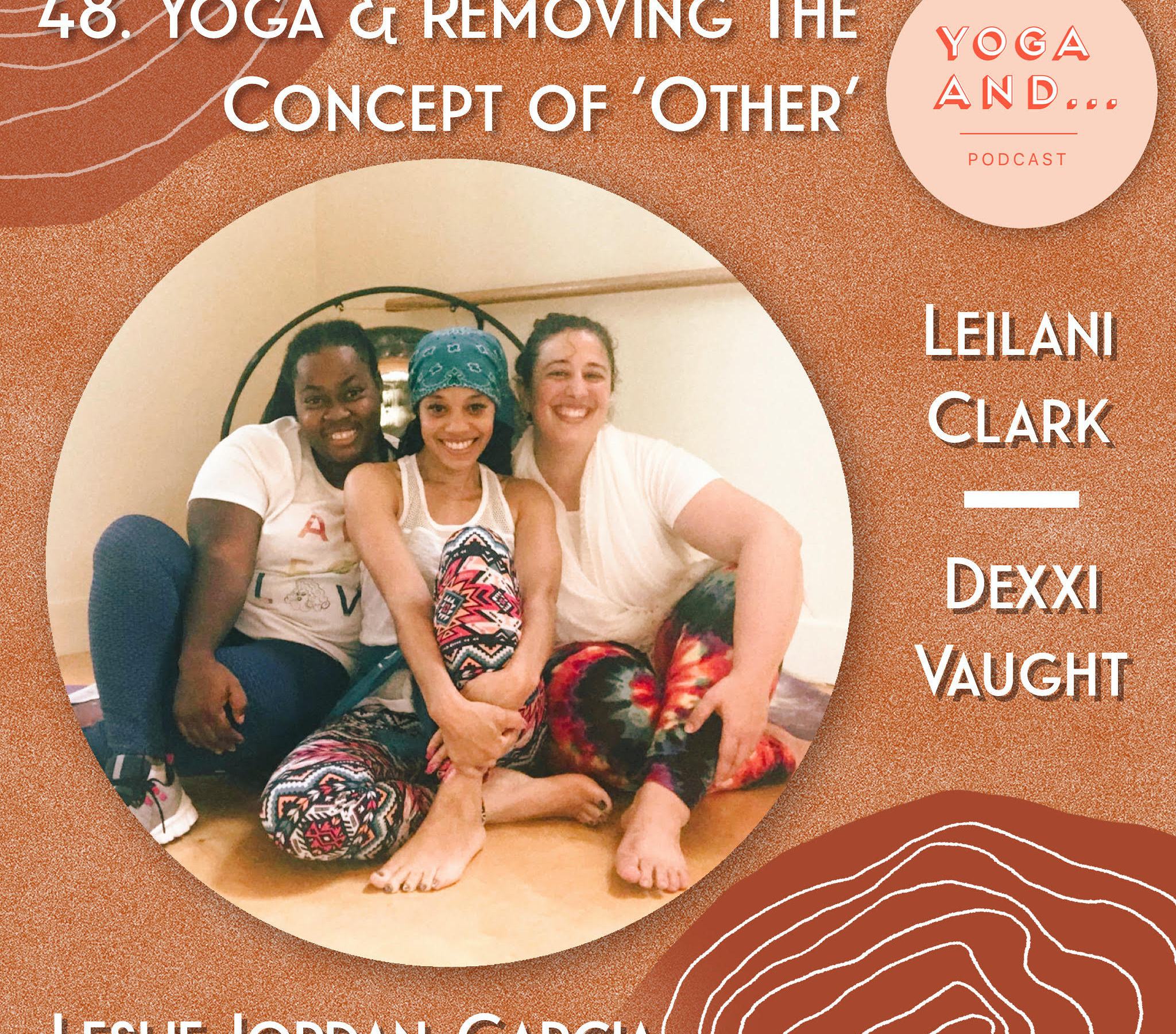
- Listen to the Yoga and “Removing the Concept of Other” Podcast. Along with colleagues, I am featured in the episode where we discuss how Yoga can help move our society closer to a circle of human concern. On all the major platforms, listen on Spotify here and iTunes here.
- Comment, like, and share this website and that podcast, please! Our Socials: @fiercefitness.atx @innerexploreryoga @dexcellentfitness @bodybliss.tm
THANKS!
Drop a comment here or anywhere you connect with me on this topic or any topic!
 Liberati Wellness